
GI Liver Health: Gastroenterology Signs of Fatty Liver Disease
Fatty liver disease is one of the most common liver conditions in the United States. While it affects millions of adults, most people don’t know they have it. There are usually no noticeable symptoms in the early stages. While liver disease is common, it shouldn’t be ignored. In some cases, it can cause liver scarring, liver failure, or an increased risk of liver cancer.
At Bergen Medical Associates, our gastroenterology team evaluates and treats fatty liver disease, from early detection through long-term monitoring for patients throughout northern New Jersey. With a thorough evaluation and personalized treatment plan, we can help slow, stop, or even reverse liver damage. Here’s what you need to know about how it develops and how it’s treated.
Key Takeaways
- There are two main types of fatty liver disease, metabolic and alcohol related, and most people have no symptoms in the early stages.
- Risk factors include obesity, diabetes, high cholesterol, high blood pressure, and metabolic syndrome.
- Untreated fatty liver can progress to cirrhosis or liver failure, but early intervention can slow or reverse it.
- Bergen Medical Associates offers comprehensive gastroenterology services, including diagnosis and treatment, for fatty liver disease and other conditions in the digestive system.
What Is Fatty Liver Disease?
Fatty liver disease occurs when excess fat accumulates in the liver cells. A small amount of fat in the liver is normal, but when it exceeds about 5-10% of the liver’s weight, it can begin to cause problems.
Metabolic dysfunction-associated steatotic liver disease (MASLD), previously known as nonalcoholic fatty liver disease (NAFLD), is the most common form. It’s linked to metabolic conditions, such as obesity, insulin resistance, type 2 diabetes, and high cholesterol. MASLD can progress to metabolic dysfunction-associated steatohepatitis (MASH), a more inflammatory form that has a higher risk of fibrosis and cirrhosis.
Alcohol-related fatty liver disease (ARLD) is caused by heavy or chronic alcohol use. Like MASLD, it can range from simple fat accumulation to severe inflammation and scarring. But its severity depends on how much alcohol you consume and for how long.
Fatty liver disease is common. However, its prevalence has increased as the global rates of obesity, diabetes, and metabolic syndrome have risen. It’s estimated to affect more than 25% of the global population and is now one of the leading causes of chronic liver disease worldwide.
What Are the Signs and Symptoms of Fatty Liver Disease?
One of the biggest challenges with fatty liver disease is that it often causes no symptoms in its early stages. Most people with fatty liver disease feel normal. Many patients are diagnosed after a routine physical exam reveals elevated liver enzymes or an abdominal ultrasound that shows fat accumulation in the liver.
When fatty liver disease symptoms do appear, they are often vague and overlap with other conditions. Some patients notice:
- Fatigue or low energy
- General feelings of weakness
- Mild discomfort in the upper right side of the abdomen
- Difficulty concentrating or feeling mentally sluggish
These symptoms are more common in patients with active liver inflammation (hepatitis) rather than fat accumulation. They can also be a sign of other conditions, which is why you should always talk to your doctor if you’re feeling off.
As liver damage progresses, your symptoms may start to become more noticeable. Signs of advanced liver disease include swelling in the abdomen and legs, jaundice or yellowing of the skin and eyes, easy bruising, and persistent fatigue. You may also have unexplained weight loss, confusion, or memory problems.
What Are the Factors That Increase Your Risk of Fatty Liver Disease?
Fatty liver disease doesn’t have a single cause. It’s usually the result of several factors, most of which are connected to your metabolic health. The most common include:
- Obesity or excess weight: Fat stored around the abdomen puts extra strain on the liver and can cause fat to accumulate in liver cells.
- Insulin resistance and type 2 diabetes: When your body is less responsive to insulin, fat can build up in the liver and increase your risk of developing MASH.
- High cholesterol: Elevated blood lipids and triglycerides are both risk factors for and a result of fatty liver disease.
- High blood pressure: Hypertension is a common part of metabolic syndrome, which raises your MASLD risk.
- Rapid weight loss or poor nutrition: Crash dieting or malnutrition can also trigger fat accumulation in the liver.
- Certain medications: Corticosteroids, tamoxifen, amiodarone, and some antipsychotic medications can cause fatty liver disease.
- Alcohol use: Even moderate drinking can contribute to liver fat, and heavy alcohol use increases liver damage.
Because these risk factors can overlap and cause other conditions, you should talk to your doctor if you have two or more. A comprehensive physical examination can help you understand your overall risk profile.
How Is Fatty Liver Disease Diagnosed?
Because fatty liver disease can have few or no symptoms, it’s often caught through routine testing. If you have signs, your doctor may take several steps to assess how much fat is present and how much damage your liver has sustained.
First, your doctor may request bloodwork to check your liver enzymes. Elevated alanine aminotransferase (ALT) and aspartate aminotransferase (AST) suggest liver inflammation. Other panels your doctor may order include:
- Bilirubin levels
- Albumin levels
- Platelet counts
- Markers of liver function, including lipids, fasting glucose, and HbA1c
Some people with fatty liver disease have normal enzyme levels. Bloodwork alone cannot determine the extent of liver damage, which is why your doctor will also request imaging.
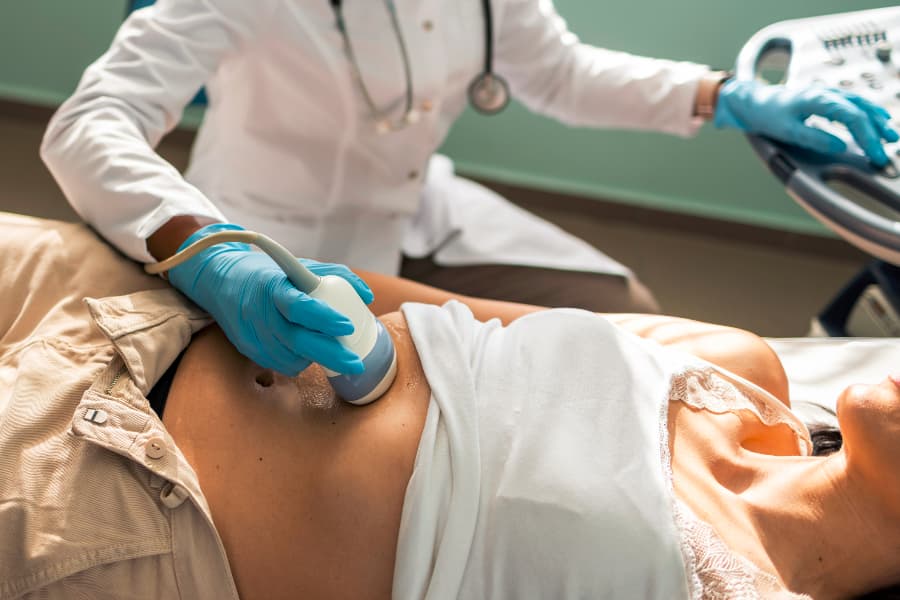
Your doctor may perform an abdominal ultrasound. This noninvasive procedure helps detect excess liver fat. Specialized tests, such as elastography, can give your doctor additional information by measuring your liver stiffness. Increased stiffness may indicate liver fibrosis, also known as scarring.
Magnetic resonance imaging (MRI) and computed tomography (CT) scans provide more detailed liver images, which can give your doctor a good indication of how much fat has accumulated. After all these tests, your doctor might recommend a liver biopsy. While this isn’t always necessary, it’s the best way to diagnose fatty liver disease, especially when other tests are inconclusive. A biopsy can also help identify which stage of liver disease you have, which is essential for creating a treatment plan.
What’s the Treatment for Fatty Liver Disease?
There’s currently no medication specifically for MASLD that’s been approved by the U.S. Food and Drug Administration (FDA). Instead, treatment focuses on addressing the underlying causes and protecting the liver from further damage.
Fortunately, many patients can improve their liver health through lifestyle changes and medical management, such as:
- Weight loss: Losing 5-10% of your body weight can reduce your liver fat, and losing 10% or more can reduce inflammation and reverse early fibrosis.
- Nutrition: You should also eat a Mediterranean-style diet that’s rich in vegetables, legumes, whole grains, fish, and olive oil and low in refined carbohydrates and saturated fats. You should also limit or avoid sweetened drinks and ultra-processed foods.
- Exercise and metabolic risk management: Both aerobic exercise and resistance training reduce liver fat, even without significant weight loss. Managing your blood sugar, cholesterol, and blood pressure through medication or lifestyle changes can also reduce your risk of disease progression.
- Medication: Drug options are growing. Resmetirom, or Rezdiffra, was approved by the FDA in 2024 and is the first drug intended to treat MASH with moderate-to-advanced fibrosis. Glucagon-like peptide-1 (GLP-1s), such as semaglutide, have shown promise in reducing liver fat and inflammation in clinical trials. Some patients even benefit from Vitamin E. Your gastroenterologist will determine whether you’d benefit from medication.
- Monitoring and follow-up: Patients with early-stage fatty liver disease are typically scheduled for labs and imaging every one to two years. Those with advanced fibrosis require more frequent monitoring and testing for liver cancer.
If you drink alcohol, stopping completely is one of the best steps you can take to stop the progression of the disease or keep it from developing altogether.
When Should You See a GI Specialist?
Fatty liver disease often goes unnoticed. However, certain symptoms or findings mean you should be seen by a gastroenterologist.
Schedule an appointment if you have:
- Elevated liver enzymes, even if you feel fine
- An imaging report noting liver echogenicity (brightness), hepatomegaly (enlarged liver), or suspected steatosis (fat deposits)
- One or more risk factors, such as obesity, diabetes, high cholesterol, or metabolic syndrome
- A family history of liver disease or cirrhosis
- Fatigue or right upper abdominal discomfort
- Heavy or long-term alcohol use
A GI specialist can interpret your lab and imaging findings and create a treatment plan personalized to your needs and condition. Getting evaluated early gives you the best chance of preventing serious liver damage before it starts.
Find Expert GI Care Near You in New Jersey
Fatty liver disease is common, but it’s also manageable. At Bergen Medical Associates, our board-certified gastroenterologists provide thorough evaluation and individualized care for patients across all stages of liver disease. We combine diagnostic expertise with evidence-based treatment planning to help you protect your liver’s health.
With six convenient locations throughout northern New Jersey and more than 25 years of serving patients, we make it easy to access the specialized GI care you need. To schedule an appointment with one of our GI experts, contact us today. We have locations in Emerson, Montvale, Northvale, Paramus, and Ridgewood, NJ, making it easy to find treatment near you.
Frequently Asked Questions About Fatty Liver Disease
Can fatty liver disease be reversed?
In many cases, yes. Early-stage fatty liver disease can often be improved or reversed through weight loss, dietary changes, and metabolic risk management.
Is fatty liver disease serious?
It can be. While many people never develop complications, some individuals experience progressive inflammation, fibrosis, cirrhosis, or liver failure.
Does fatty liver disease cause pain?
Most people don’t experience pain. However, some people may notice mild discomfort or fullness in the upper right side of the abdomen.
Can I have fatty liver disease with normal liver enzymes?
Yes. Normal liver enzyme levels don’t always rule out fatty liver disease or liver fibrosis. If you have any of the risk factors or symptoms of fatty liver disease, it’s important to schedule an appointment with a GI specialist.
Leave a reply