
Gastroenterology 101: What to Expect at Your First GI Appointment
Digestive symptoms can affect every part of your day, but a visit with a gastroenterologist can help identify the cause and help you feel better. If you’ve never seen a GI specialist before, it’s normal to have questions about what the appointment involves.
At Bergen Medical Associates, our New Jersey gastroenterology (GI) team provides comprehensive digestive care using a personalized, patient-centered approach. Here, we discuss what to expect at a gastroenterologist appointment, so you can make the most of your visit.
Key Takeaways
- Gastroenterologists diagnose and treat conditions affecting the digestive system.
- Your first appointment includes a discussion of your symptoms, medical history, and a physical examination.
- Depending on your symptoms, your doctor may recommend blood work, imaging, or procedures such as an endoscopy or colonoscopy.
- Bergen Medical Associates provides comprehensive GI care at six convenient locations throughout New Jersey.
What Does a GI Specialist Treat?
A gastroenterologist (GI) specializes in diagnosing and treating conditions that affect the digestive tract, including the esophagus, stomach, intestines, liver, pancreas, gallbladder, and rectum. Your primary care provider (PCP) may refer you to a GI specialist for symptoms such as:
- Frequent heartburn or acid reflux
- Abdominal pain or bloating
- Chronic diarrhea or constipation
- Difficulty swallowing
- Nausea or vomiting
- Blood in the stool
- Unexplained weight loss
- Changes in bowel habits
Gastroenterologists also manage chronic digestive conditions, including gastroesophageal reflux disease (GERD), irritable bowel syndrome (IBS), inflammatory bowel disease (IBD), celiac disease, liver disease, and colon polyps. They also perform routine colorectal cancer screenings, including colonoscopies.
What Happens at the First Gastroenterology Visit?
No matter the reason for your visit, your doctor’s goal is to determine what’s causing your symptoms and recommend the best treatment plan. Your first appointment is focused on gathering information. The more your doctor understands about your symptoms and overall health, the easier it is to give an accurate diagnosis.
During your visit, your gastroenterologist will discuss:
- Current symptoms, how often they occur, when they started, and what makes them better or worse
- Family and personal medical history, including previous digestive conditions or surgeries
- Current medications and supplements
- Diet and lifestyle habits
Your doctor will also do a physical exam, which may include gently examining your abdomen for tenderness, swelling, or other abnormalities.
After reviewing your history and exam findings, your provider will explain possible causes of your symptoms and discuss whether you need additional testing. You’ll leave your first appointment with a clear plan for your next steps.
What Tests May a GI Recommend?
Not every patient requires testing, but additional evaluations can give your doctor valuable information. Depending on your symptoms, your provider may recommend:
- Blood tests to see if you have an infection, inflammation, anemia, or a poorly functioning liver
- Stool studies to identify infection, inflammation, or digestive disorders
- Imaging studies such as ultrasound or computed tomography (CT) scans
- Upper endoscopy to examine the esophagus, stomach, and upper small intestine
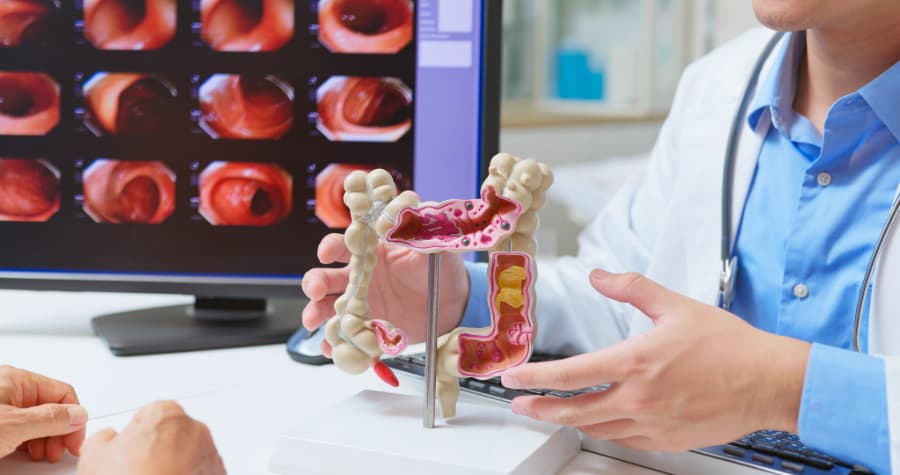
- Colonoscopy to evaluate the colon and screen for colorectal cancer
- Specialized testing for conditions such as celiac disease or food intolerances
Your gastroenterologist will explain why they recommended a test, what it involves, and how they’ll use the results to guide your treatment.
How Should You Prepare for Your Visit?
Before you arrive for your appointment, you should make sure you have the following:
- A list of your current medications and supplements
- Records of previous digestive testing or procedures, if available
- A summary of your symptoms, including when they occur and how long they’ve been present
- Your family history of digestive diseases or colorectal cancer
- Any questions you’d like to discuss
It can also be helpful to keep a food and symptom diary for several days before your visit. By tracking your meals, symptoms, and bowel habits, you can show your doctor patterns that may help them narrow down possible causes.
Most importantly, don’t ignore persistent digestive symptoms or feel embarrassed discussing them. Gastroenterologists treat these concerns every day, so they’ve seen it all. You need to have an honest conversation with your doctor to find the right diagnosis and treatment.
Find Expert Gastroenterology Care Near You in New Jersey
Digestive problems can interfere with your comfort and quality of life, and they can also affect your nutrition. At Bergen Medical Associates, our gastroenterology team is here to help you manage new symptoms or a chronic condition, so you don’t have to do it on your own.
Our board-certified GI specialists in New Jersey focus on delivering compassionate care while helping our patients better understand and manage their digestive health. Contact us today to request an appointment and take the first step toward better digestive health. We have locations in Emerson, Montvale, Northvale, Paramus, and Ridgewood, NJ, making it easy to find treatment near you.
Frequently Asked Questions About Gastroenterology
Do I need a referral to see a gastroenterologist?
This depends on your health insurance. However, in most cases, you’ll need a referral from your primary care provider. Check with your insurance provider to see if you can schedule directly with a specialist.
Will I have a colonoscopy during my first appointment?
Usually not. Your first visit focuses on discussing your symptoms and reviewing your medical history. Then, your provider will discuss next steps, which may include a colonoscopy.
What should I bring to my first GI appointment?
Bring your insurance information, medication list, and medical records. You should also bring any notes about your symptoms or previous digestive testing.
What conditions does a gastroenterologist treat?
Gastroenterologists diagnose and treat a variety of digestive conditions. These can include chronic conditions, such as GERD, IBS, IBD, celiac disease, and liver disease. They also treat sudden ulcers or changes in bowel habits. They can also screen for colon polyps and colorectal cancer.
When should I see a gastroenterologist?
Occasional constipation, cramping, or diarrhea is normal. However, you should consider seeing a doctor if you have:
- Persistent abdominal pain
- Chronic heartburn
- Changes in bowel habits
- Rectal bleeding
- Difficulty swallowing
- Unexplained weight loss
- Other ongoing digestive symptoms