
Ulcerative colitis (UC) is a type of inflammatory bowel disease, – affecting the digestive system. Like others of its kind, this condition can cause – complications if left untreated. Fortunately, effective management can help patients live comfortably and avoid health consequences. Bergen Medical Associates is one of the leading gastroenterology medical groups -in New Jersey, with a team of over 40 board-certified multi-specialty practitioners. Learn more about ulcerative colitis and the available treatments near you in northern New Jersey.
Ulcerative Colitis
Ulcerative Colitis Treatment Near You in New Jersey
What Is Ulcerative Colitis?
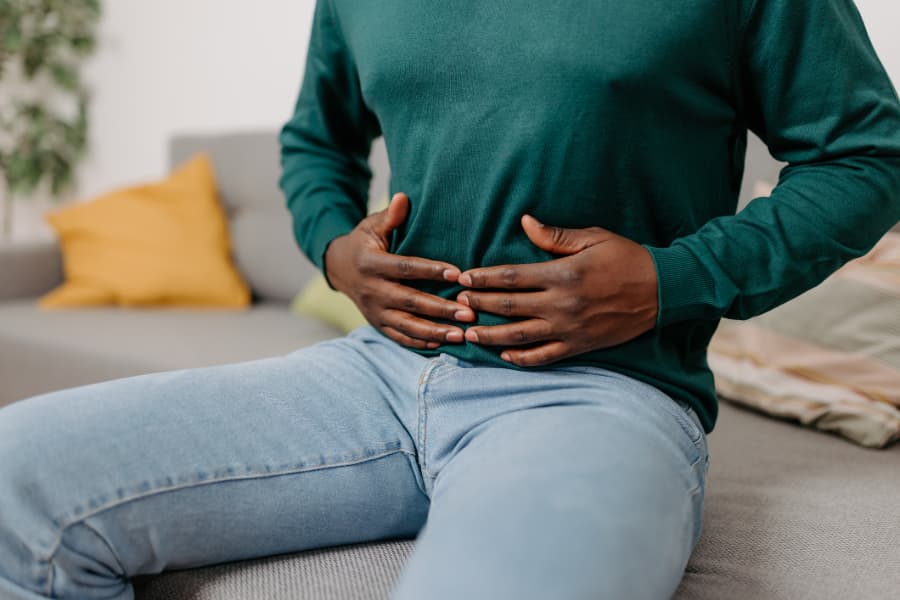 Ulcerative colitis is the most common type of inflammatory bowel disease (IBD). It occurs when tissues in the colon or large intestine become inflamed, causing sores called ulcers along the colon’s length. Ulcerative colitis features multiple subtypes based on how extensively the ulcers form:
- Ulcerative proctitis: Ulcers form – in the rectum, or the lowest part of the colon.
- Left-sided colitis: Ulcers form in the rectum through the – descending colon -approximately 1/3 of -lower – colon.
- Pancolitis: Inflammation and ulcers – form throughout the entire colon.
Like other IBDs, ulcerative colitis is chronic. The condition lasts throughout a patient’s lifetime and absent surgical removal of the colon, cannot be cured. Instead, treatments focus on managing symptoms and reducing the frequency of flare-ups so patients can live a higher quality of life.
What Are Ulcerative Colitis Symptoms?
Ulcerative colitis causes flare-ups in which patients experience intense symptoms for a few weeks to a few months. Between flare-ups are periods of remission with few to no symptoms at all. Depending on the severity of the flare-up, patients may experience:
- Diarrhea
- Frequent, sudden, and urgent bowel movements
- Tenesmus, or feeling the need for a bowel movement without being able to have one
- Abdominal pain, cramping, or tenderness
- Blood, mucus, or pus in stool
- Fatigue
- Sudden and unexplained weight loss
- Nausea
- Fever
- Joint pain
- Itchy or burning eyes
- Skin rashes
Flare-ups can cause serious complications if left unaddressed. Dehydration, severe blood loss, blood clots, toxic megacolon, and perforation of the colon are all possible consequences of a flare-up. To avoid these potentially dangerous conditions, patients should be sure to seek medical care and follow their physician’s advice for managing flare-ups effectively.
What Causes Ulcerative Colitis?
The exact cause of ulcerative colitis is not yet known. It most likely occurs due to a complex combination of factors, including genetic inheritance, infection exposure, and a disordered immune response. Researchers have also connected the disease to several risk factors:
- Age between 15 and 30 years old
- White or Ashkenazi Jewish descent
- A family history of ulcerative colitis
- Differences in gut biome
While the precise cause of ulcerative colitis is unknown, it is simpler to identify triggers for flare-ups. These are dietary or lifestyle factors that make a flare-up likely to occur or can make an ongoing flare-up worse. Triggers are unique to the patient, but often include:
- Alcohol
- Caffeine
- Carbonated drinks
- Sugary or fatty foods
- Spicy foods
- Raw vegetables
- High-fiber foods
- Red meat
- Dairy
- Stress
- Certain medications
When patients are aware of their triggers, they are empowered to manage their ulcerative colitis more effectively. Patients are encouraged to keep a food diary to track what they eat and see how it affects their symptoms.
How Is Ulcerative Colitis Diagnosed?
Ulcerative colitis is diagnosed through a combination of medical tests. Each test provides physicians with more information about the patient’s condition, helping to rule out potential causes of symptoms and narrow down the correct diagnosis.
Tests used for ulcerative colitis include:
- Physical exam: The physician examines the patient’s body and asks them about their symptoms and any family history of ulcerative colitis or other forms of IBD.
- Blood tests: A complete blood count (CBC) can detect anemia, which might indicate bleeding in the colon or rectum. It may also rule out infection or other potential conditions.
- Stool samples: By examining a stool sample under a microscope, physicians can detect signs of inflammation. This may also help to rule out an infection or parasites.
- Imaging tests: A specialized type of X-ray called a barium enema is used to detect inflammation in the colon. A magnetic resonance imaging (MRI) scan may also be used.
- Colonoscopy: A thin, flexible tube with a tiny camera is inserted in the anus to examine the inside of the colon. It may also be used to take tissue samples for a biopsy.
What Are Ulcerative Colitis Treatments?
Treatments for ulcerative colitis depend on its severity. Mild to moderate illness may be managed with dietary changes and medication. Multiple types of medications may be used to soothe colon inflammation and help the colon heal more quickly from a flare-up. Medications reduce the risk of complications and may help to relieve certain symptoms.
If ulcerative colitis cannot be effectively managed and is very severe, then surgery may be necessary. –
Find UC Treatments Near You in New Jersey
If you struggle with symptom flare-ups that may be caused by IBD, find peace of mind at Bergen Medical Associates. Our leading gastroenterologists provide ulcerative colitis treatment and management at locations near you in northern New Jersey. We also offer care for a wide range of other medical needs. To learn more about our services or to get started with care, request an appointment today. We have locations in Emerson, Montvale, Northvale, Paramus, and Ridgewood, NJ, making it easy to find treatment near you.
Specialties
-
Allergy and Immunology
-
Endocrinology and Metabolism

Endocrinology is the study of hormones; chemical messengers from one cell to another.
-
Gastroenterology
-
Hospital Care

Hospitalists concentrate their efforts on the care of sick patients once they enter the hospital for treatment.
-
Internal Medicine and Primary Care

Primary care is the day-to-day health care given by a practitioner who acts as the principal point of your continuing care.
-
Musculoskeletal
-
Nutrition

A registered dietitian can help you make sense of the ever changing world of nutrition, by providing sound practical nutrition advice.
-
Orthopedics
-
Physical Medicine and Rehabilitation

Physical Medicine and Rehabilitation is dedicated to the treatment of musculoskeletal and neurologic disorders that can lead to pain.
-
Podiatry

Podiatry is a branch of medicine devoted to the study of diagnosis, medical and surgical treatment of disorders of the foot, ankle, and lower extremity.
-
Rheumatology

Rheumatology is a sub-specialty devoted to the diagnosis and therapy of conditions and diseases affecting joints, muscles, and bones.
-
Sports Medicine

Sports Medicine is a branch of medicine that is dedicated to the study and treatment of activity-related injuries.
-
Urology
Urology is the branch of medicine and physiology concerned with the function and disorders of the urinary system.



©2024 Bergen Medical Associates